
Table of Contents
- Introduction
- The Constitutional Traditions of the Spanish Crown
- Royal Ceremonies and National Celebrations
- Christmas, Easter, and Family Traditions
- The Role of Royal Palaces and Historic Symbols
- Military Traditions and the Guardia Real
- Frequently Asked Questions
- Conclusion
INTRODUCTION
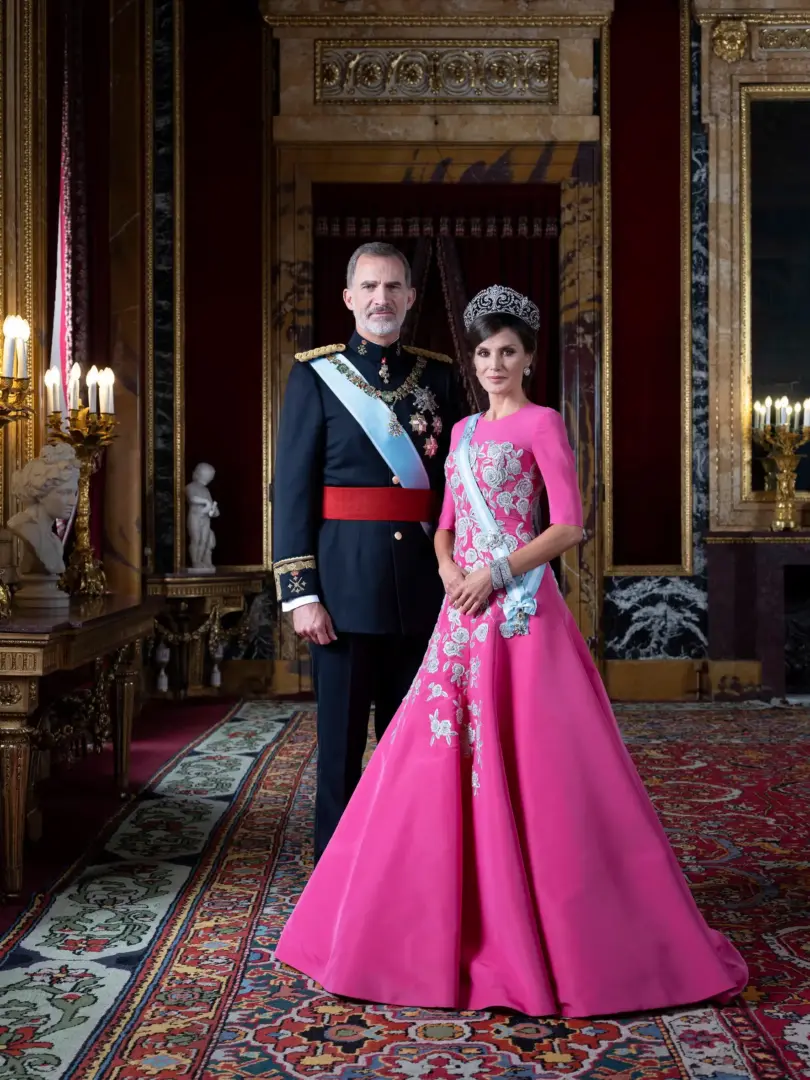
Spain royal family traditions combine centuries of monarchy, constitutional responsibilities, military ceremony, religious and cultural customs, and modern public life. The Spanish royal family, led by King Felipe VI and Queen Letizia, continues to observe many formal traditions while adapting the institution to contemporary Spain. These customs can be seen during national celebrations, military ceremonies, diplomatic occasions, Christmas, Easter, and important events involving Princess Leonor and Infanta Sofía.
Spain is a parliamentary monarchy, meaning the Crown has a constitutional role rather than governing the country directly. The official Royal Household explains that the King represents the unity and permanence of the state, performs constitutional functions, and acts as Spain’s highest representative in international relations.
Royal traditions therefore have an important symbolic purpose. They connect the modern monarchy with Spanish history while giving formal structure to important national occasions.
The Constitutional Traditions of the Spanish Crown
One of the most important traditions of the Spanish monarchy is its relationship with the Constitution. Modern royal customs are not simply inherited ceremonies from earlier centuries. Many are connected directly to Spain’s constitutional system.
King Felipe VI serves as head of state, while the government is responsible for political administration. The Royal Household describes the Spanish system as a parliamentary monarchy, with the Crown regulated under Title II of the Spanish Constitution. (casareal.es)
This constitutional framework influences how members of the Royal Family perform their public roles. The King receives foreign ambassadors, meets government representatives, represents Spain internationally, and participates in major national ceremonies. These activities are formal traditions, but they also have a clearly defined constitutional purpose.
The position of the heir is another important tradition. Under Article 57 of the Constitution, the heir to the Crown receives the dignity of Prince or Princess of Asturias, together with other traditional titles connected with the successor to the Spanish throne.
Princess Leonor, therefore, carries the title Princess of Asturias because she is the heir. Her preparation for this position has also become part of modern royal tradition. She has completed extensive military education, constitutional preparation, public speaking, and institutional engagements.
For more information about her path toward the throne, Princess Leonor: Future Queen and Her Path to Spain’s Throne explains how her education, military training, and public responsibilities are preparing her for her future role.
Royal Ceremonies and National Celebrations
Formal ceremonies are among the most visible Spanish royal family traditions. They allow the monarchy to participate in important moments of national life and bring historical customs into the modern constitutional system.
One particularly important occasion is Spain’s National Day on October 12. The royal family traditionally participates in the official celebrations in Madrid, where military personnel, government representatives, and members of the public come together.
Princess Leonor and Infanta Sofía have increasingly participated in these events alongside their parents. For Leonor, these appearances have additional significance because they allow her to gain experience representing the Crown in front of the Spanish public.
Another important date is Constitution Day on December 6. The Constitution is central to the modern Spanish monarchy, so events connected with its anniversary carry particular symbolic importance.
The Royal Household also observes several official flag ceremonies. According to the Casa de S.M. el Rey, the Spanish flag is permanently displayed in front of the main entrance of the Royal Household at the Palace of La Zarzuela. Four annual flag-raising and lowering ceremonies take place on January 6, June 19, October 12, and December 6.
These dates represent the following:
- January 6: Pascua Militar
- June 19: Anniversary of King Felipe VI’s proclamation
- October 12: National Day of Spain
- December 6: Constitution Day
The ceremonies demonstrate how military, constitutional, and national traditions overlap within the modern monarchy.
Another highly recognisable ceremony is the Solemn Changing of the Guard at the Royal Palace of Madrid. The Royal Household explains that the ceremony recalls the guard changes performed during the reigns of Alfonso XII and Alfonso XIII. It traditionally takes place on the first Wednesday of the month when official activities permit, except during January, July, August, and September.
Christmas, Easter, and Family Traditions
Christmas is another important tradition for the Spanish royal family. Each year, King Felipe VI delivers a televised Christmas Eve message to the Spanish people. The Christmas message is more than a personal family greeting. It is an important communication between the head of state and the public. The King typically discusses Spain’s social and national circumstances while emphasising unity, responsibility, and the country’s future.
The Royal Household’s archives show that the tradition includes the King speaking from a significant royal setting. In his 2015 message, Felipe VI spoke from the Royal Palace and described it as a place where important acts of state take place.
The Christmas period also provides opportunities for the royal family to appear together. King Felipe, Queen Letizia, Leonor, and Sofía have often been photographed together during important family occasions, although much of their private Christmas life remains outside the official schedule. Easter also has a place in the family’s traditions. The Spanish Royal Household has documented Easter-related activities in Mallorca, including the annual Easter concert benefiting Projecte Home Balears at the Cathedral-Basilica of Santa María de Mallorca.
Mallorca itself has become strongly associated with the family’s summer traditions. The royal family traditionally spends part of the summer in the Balearic Islands, with the Marivent Palace serving as an important location for official and family activities. These occasions allow the public to see a somewhat more relaxed side of the family while they continue selected official engagements.
The Role of Royal Palaces and Historic Symbols
Spanish royal traditions are also closely connected with historic buildings and royal symbols. The Royal Palace of Madrid, for example, remains an important setting for state ceremonies, diplomatic events, official receptions, and other major occasions.
The palace represents more than a residence or historic building. It connects the present Spanish monarchy with centuries of Spanish history. Royal symbols are equally significant. The Spanish Royal Household identifies the royal crown and sceptre as major symbols of the monarchy. These objects are kept within the Royal Collections and have been used in proclamation ceremonies since the reign of Queen Isabella II.
Interestingly, Spain’s royal crown is not normally placed physically on the monarch’s head during a coronation-style ceremony. Instead, it serves as a symbolic object during important constitutional occasions.
This illustrates an important characteristic of the Spanish monarchy. Modern royal traditions often combine historical symbolism with constitutional principles rather than reproducing mediaeval ceremonies exactly.
Royal titles are another part of this tradition. King Felipe VI is formally the King of Spain, while Leonor holds the traditional title Princess of Asturias as heir. Sofía is an infanta, a title traditionally associated with children of the monarch who are not the heir. Together, these titles provide a formal structure for the Royal Family and distinguish the constitutional position of each member.
Military Traditions and the Guardia Real
Military tradition has a particularly visible place in the Spanish monarchy. This connection is partly constitutional because the king holds the highest military authority under Spain’s constitutional framework.
The Guardia Real, or Royal Guard, performs ceremonial and security duties connected with the monarch and the royal family. One of the most recognisable traditions is the ceremonial changing of the guard at the Royal Palace. Both mounted and foot units participate, creating a formal display that combines military precision with historical tradition.
The Pascua Militar, held every January 6, is another important military tradition. According to the Royal Household, it dates back to 1782, when King Carlos III established the ceremony after the recovery of Menorca. It traditionally marks the beginning of the military year. Princess Leonor’s own military education has given this tradition particular relevance to the future of the Crown. She trained with Spain’s army, navy, and air and space force, following a demanding programme designed partly around her future constitutional responsibilities. Her military preparation means that traditional relationships between the Crown and the armed forces are also becoming part of the next generation of the Spanish monarchy.
The military dimension of the monarchy can therefore be seen in several areas:
- The King’s constitutional military position
- The Royal Guard
- Pascua Militar
- National Day ceremonies
- Military academies
- The heir’s military education
- Formal state ceremonies
These customs help connect Spain’s historic monarchy with its modern constitutional institutions.
Frequently Asked Questions
1. What are some important Spanish Royal Family traditions?
Important traditions include the King’s Christmas Eve address, National Day celebrations, Constitution Day ceremonies, Pascua Militar, royal receptions, diplomatic ceremonies, the changing of the Royal Guard, and important family appearances during Christmas, Easter, and summer in Mallorca.
2. Does Princess Leonor follow traditional royal customs?
Yes. As heir to the Spanish Crown, Princess Leonor participates in major national and institutional ceremonies. She has also completed military training, constitutional preparation, and public engagements that reflect the responsibilities traditionally associated with the heir.
3. What is the Pascua Militar?
The Pascua Militar is a formal military ceremony held on January 6. The Spanish Royal Household states that it was established by King Carlos III in 1782 and traditionally marks the beginning of the military year. (casareal.es)
Conclusion
Spain royal family traditions reflect a combination of history, constitutional responsibility, military ceremony, national identity, and family customs. Although the Spanish monarchy has roots stretching back centuries, many of its modern traditions operate within the framework of Spain’s parliamentary constitutional system.
King Felipe VI and Queen Letizia continue to participate in national celebrations, diplomatic events, military ceremonies, Christmas traditions, and cultural occasions. Princess Leonor is increasingly becoming part of these traditions as the heir to the Crown, while Infanta Sofía is also beginning to undertake selected independent responsibilities.
The traditions surrounding the Royal Family are therefore not simply ceremonial displays. They provide continuity between Spain’s history and its modern constitutional institutions.
From the Royal Palace and the Royal Guard to the King’s Christmas message and the annual National Day celebrations, these customs help define the public identity of the Spanish monarchy.
As Princess Leonor moves closer to her future role as Queen of Spain, many of these traditions will continue to shape her public life. Her military education, constitutional preparation, and increasing participation in national ceremonies demonstrate how the next generation is gradually taking its place within an institution that combines centuries-old symbolism with modern constitutional duties.