
Table of Contents
- Introduction
- Princess Leonor Takes a Bigger Role in 2026
- Infanta Sofía Begins a New Chapter
- King Felipe VI and Queen Letizia Continue Their Duties
- The Royal Family’s Summer in Mallorca
- What These Changes Mean for the Spanish Monarchy
- Frequently Asked Questions
- Conclusion
INTRODUCTION
The Spanish Royal Family’s latest updates in 2026 show an institution gradually entering a new phase. King Felipe VI and Queen Letizia continue their constitutional and public responsibilities, while their daughters, Princess Leonor and Infanta Sofía, are becoming increasingly visible in their own right.
The biggest development is the transition involving Princess Leonor. As heir to the Spanish throne, she has completed an important period of military preparation and is moving toward a new stage of education and full-time royal responsibilities. Infanta Sofía, meanwhile, is developing a different path through international education and selected public engagements.
The family has also remained visible during major national and international occasions, including summer events in Mallorca. The official Royal Household’s 2026 activity records show continued engagements involving the King, Queen, Princess of Asturias, and Infanta Sofía. (Casa Real)
Princess Leonor Takes a Bigger Role in 2026
One of the most important royal family updates in 2026 is Princess Leonor’s expanding role as heir. Born on October 31, 2005, Leonor is the eldest daughter of King Felipe VI and Queen Letizia and holds the traditional title Princess of Asturias. The official Royal Household identifies her as the King’s eldest daughter and heir to the Spanish Crown.
Her preparation has included an unusually extensive military education. She has trained across Spain’s Army, Navy, and Air and Space Force, giving her experience in three branches of the Armed Forces. This preparation is directly connected with the constitutional responsibilities of the future monarch.
In 2026, Leonor’s public role has continued to grow through the following:
- National and institutional ceremonies
- Military events
- Cultural engagements
- Youth-related activities
- International appearances
- Royal Family events
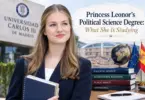
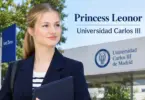
Her transition from military training toward university and a broader public role is particularly significant. It marks another stage in her preparation for eventually becoming queen. For readers following her development, Princess Leonor in 2026: Her Royal Life and Role provides a closer look at her responsibilities, education, and place within the Spanish monarchy.
Infanta Sofía Begins a New Chapter
Infanta Sofía is also entering an important period in 2026. As the younger daughter of Felipe VI and Letizia, Sofía does not have the same constitutional responsibilities as her sister. Instead, she has developed an international educational path and is gradually taking on selected public engagements. One of the biggest developments surrounding Sofia is her move toward Paris for university studies. Her international education has already taken her to Wales and Portugal, and the next stage represents another important step toward independence. Her educational background is particularly international. Rather than following Leonor’s military route, Sofia has focused on political science and international relations. This gives her a different profile within the royal family.
Sofia has also become more visible through individual royal engagements. Her activities have included cultural, educational, and social initiatives, allowing her to develop experience representing the monarchy independently. Her growing visibility is important because the Spanish royal family has a relatively small group of working members. As Leonor’s responsibilities increase, Sofia’s ability to participate in selected public events could become increasingly useful. The difference between the sisters is therefore becoming clearer: Leonor is being prepared primarily for the Crown, while Sofia is developing an independent academic and public role.
King Felipe VI and Queen Letizia Continue Their Duties
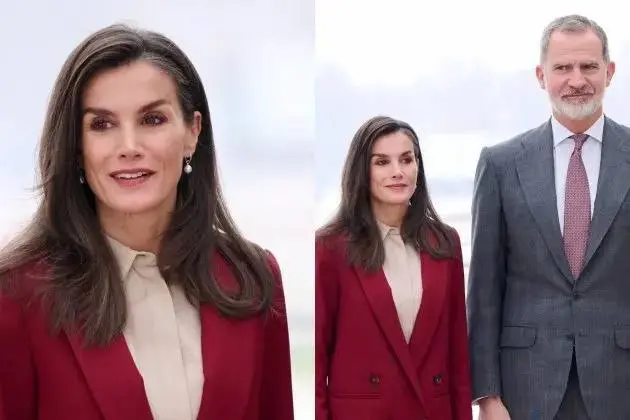
While attention often focuses on the younger generation, King Felipe VI and Queen Letizia remain at the centre of Spain’s constitutional monarchy. The King continues to perform his responsibilities as head of state, including institutional meetings, diplomatic activities, official visits, and national ceremonies. Queen Letizia maintains a separate schedule of public engagements, with particular attention to areas such as health, education, culture, disability, and social issues.
The Royal Household’s official agenda records numerous activities for both monarchs during 2026. One of the notable international developments surrounding the King and Queen is the planned state visit of French President Emmanuel Macron and First Lady Brigitte Macron to Spain. Preparations for the visit have included the Royal Palace and ceremonial arrangements, highlighting the diplomatic role of the Spanish Crown. The King’s international responsibilities remain an important part of his role because the monarch represents Spain in foreign affairs as provided by the constitutional framework.
The Queen, meanwhile, continues to support public causes through her own agenda. Together, Felipe and Letizia maintain the institutional work of the monarchy while their daughters increasingly prepare for the future.
The Royal Family’s Summer in Mallorca
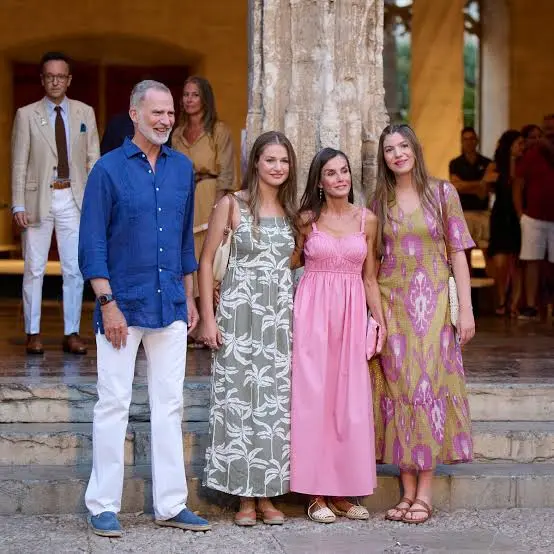
The traditional summer period in Mallorca has again provided some of the most visible family moments of 2026. The Spanish royal family traditionally spends part of the summer in the Balearic Islands, with Marivent Palace serving as an important location for official and family activities. In August 2026, King Felipe VI and Queen Letizia appeared alongside Princess Leonor, Infanta Sofía, and Queen Sofía at the traditional reception for representatives of Balearic society. The event took place at Marivent Palace and brought several generations of the Spanish royal family together. (Town & Country) The appearance attracted attention not only because of the royal gathering but also because of the growing public interest in Leonor and Sofia.
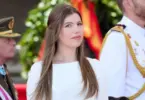
The sisters have increasingly developed their own public identities. Leonor’s appearance reflects her status as heir, while Sofia’s appearances show her growing independence. Their fashion choices have also attracted considerable attention. During the summer, Sofia was seen wearing a blue-and-white dress previously worn by both Queen Letizia and Leonor. (People.com) This kind of wardrobe recycling has become an interesting feature of the family’s public image, particularly because it demonstrates that royal fashion does not always involve entirely new outfits. The Mallorca appearances also offered an opportunity for the family to be seen together outside the more formal environment of state ceremonies.
What These Changes Mean for the Spanish Monarchy
The latest developments point toward a gradual generational transition. King Felipe VI remains the reigning monarch, and Queen Letizia continues her public role. However, Princess Leonor is now moving closer to the centre of the institution. Her military training has given her practical experience and discipline, while her constitutional preparation has introduced her to the responsibilities associated with the Crown. At the same time, Sofia is becoming more independent. This creates a potentially important balance within the next generation.
Princess Leonor’s future
Leonor’s future is relatively clearly defined. She is expected to become Spain’s next monarch after Felipe VI and would become the country’s first reigning queen since Isabella II. Her responsibilities will eventually include:
- Serving as head of state
- Representing Spain internationally
- Upholding the Constitution
- Exercising constitutional functions
- Holding supreme command of the Armed Forces
Her preparation is therefore much broader than ordinary royal education.
Sofia’s future
Sofia’s future is less predetermined. Because she is not the heir, she has greater flexibility in choosing her education and professional interests. Her international studies could eventually support work involving:
- European affairs
- International relations
- Education
- Culture
- Social initiatives
- Youth programs
Her recent public appearances suggest that she may continue supporting selected Royal Family activities while maintaining a degree of independence.
A changing public image
The Spanish monarchy is also adapting to a younger generation. Leonor and Sofia are growing up in a media environment very different from the one experienced by their parents and grandparents. Their public appearances are closely followed online, while their education, fashion, speeches, and official activities attract international attention. This means that the younger royals are gradually becoming important representatives of the monarchy’s future image.
Frequently Asked Questions
1. What is the biggest Spanish royal family update in 2026?
One of the biggest developments is Princess Leonor’s transition into a more active stage of her preparation as heir. She has completed extensive military training and is moving toward further academic and public responsibilities.
2. What is Infanta Sofía doing in 2026?
Infanta Sofía is continuing her international education and developing a more independent public role. Her university plans include further study in political science and international relations, with Paris becoming an important part of her next academic chapter.
3. Where does the Spanish royal family spend part of the summer?
The family traditionally spends part of the summer in Mallorca. Marivent Palace is an important location for official summer activities and family appearances. In August 2026, the family attended the traditional reception there.
Conclusion
The Royal Family’s latest updates in 2026 show Spain’s monarchy moving through an important period of transition. King Felipe VI and Queen Letizia remain responsible for the main constitutional and public duties of the Crown. At the same time, Princess Leonor is taking increasingly important steps toward her future position as Queen. Her military preparation, constitutional education, and growing public schedule demonstrate that the next generation is already being prepared for greater responsibility.
Infanta Sofía is following a different route. Her international education and selected royal engagements are helping her establish an independent identity while remaining an important member of the royal family. The family’s summer appearances in Mallorca have provided some of the clearest public examples of this transition. Leonor and Sofia are increasingly visible alongside their parents, while each sister is developing a different role.
As 2026 continues, the Spanish monarchy is therefore balancing continuity with change. Felipe VI and Letizia remain the current heads of the institution, while Leonor and Sofia represent its next generation. Their education, public responsibilities, and increasing independence will remain important developments to watch as the Royal Family moves into the future.